Exhibition: ELSEWHERE ON THE MAP
(1 - 31 August 2026)
Elsewhere on the Map gathers five moving image works from Bangladeshi artists that trace the unstable relationship between land, memory, and belonging in contemporary Bangladesh. Moving between riverbanks, urban margins, and hill tracks, along with the everyday contested realities of people in the centre or periphery, these films attend to places transforming, through environmental change, migration, development, and the ever-growing negotiation of identity politics.
Through these five selected moving Image works, Elsewhere on the Map curates a storyline that moves across the physical body of Bangladesh and finds it in the middle of being remade. With ‘Bhobar Vita’, filmmaker Molla Sagar “begins where Ritwik Ghatak’s quest ends”, tracing the filmmaker’s search for the home of Ghatak, revealing home as a metaphor of identity, memory, and collective consciousness. In a similar yet more geographical way, Mehedi Mostafa’s “Fantasy in a Concrete Jungle” depicts a capital that sprawls without a plan, and the architect inside the city dreams his way out to a village. A young artist's sketchbook of Dhaka turns into an animation about how the city sits inside their head in Mreethmandir’s “Dhaka Cacophony”. On the other hand, Bangladesh, being known as the land of rivers, Kauser Haider’s "The Water That Weeps” tells about the disappearing rivers and communities living alongside, confronting ecological uncertainty. The Buriganga, the river on which Dhaka was built, has gone black, and the boatmen's songs that used to cross it are gone with it. And finally, Adit Dewan and Turin Tanchangya’s ‘Felim’ takes us to the Chittagong Hill Tracks, the southeast border of Bangladesh, where filmmakers work in indigenous languages, and the national cinema barely acknowledges them, when they decide to build a small archive of their own.
These are not films about landscape in the picturesque sense. They are films about what happens when the ground you stand on changes faster than the language you have for it. The master filmmaker Ritwik Kumar Ghatak was born in Bangladesh, but partition, migration, and the search for identity landed him in India and brought his subsequent fame; yet the homes he left in Bangladesh are caught in the middle of fraught and fragile socio-political discourse, creating a contested identity and history of his own. Buriganga is dead, but boats still cross it; livelihoods depend on it. Dhaka grows in size but cannot be drawn, living bodies whether people, animals, or vehicles run side by side, crammed and cacophonous yet in a bizarre harmony. Indigenous filmmaking in the hill tracts has had to invent itself almost without infrastructure, where lived realities of Indigenous and peripheral communities challenge endorsed narratives of nationhood we know. Together, the works form a counter-map, drawn by the people who live on the territory rather than the people who plan it. Across these works, landscape is not a passive backdrop but an active political and cultural terrain shaped by histories, infrastructures, and human intervention.
Rather than offering panoramic views of place, the films remain attentive to fragments, encounters, and embodied experiences. Together, they construct a counter-cartography of Bangladesh, one drawn from below, through personal memories, local knowledge, environmental witness, and community narratives. In doing so, Elsewhere on the Map reveals territories that often remain unseen within dominant representations, foregrounding the voices of those who inhabit, remember, and continually remake the ground beneath their feet.
Bhobar Vita
By Molla Sagar
2025
Duration: 30 min
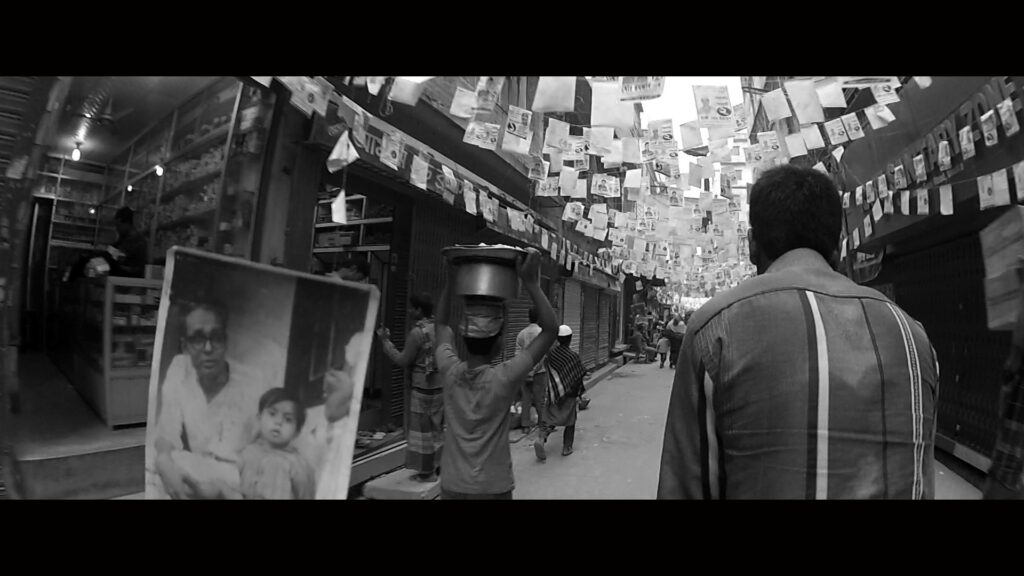
Honouring 100 years of Ritwik Kumar Ghatak, the auteur who captured the soul of Bengal on film. A journey, searching for the home of a thinker, a sentiment gatherer, a filmmaker, or should we say, a homeless man.
Fantasy in a Concrete Jungle
By Mehedi Mostafa
2023
Duration: 15 min
Film contains images of animal slaughter
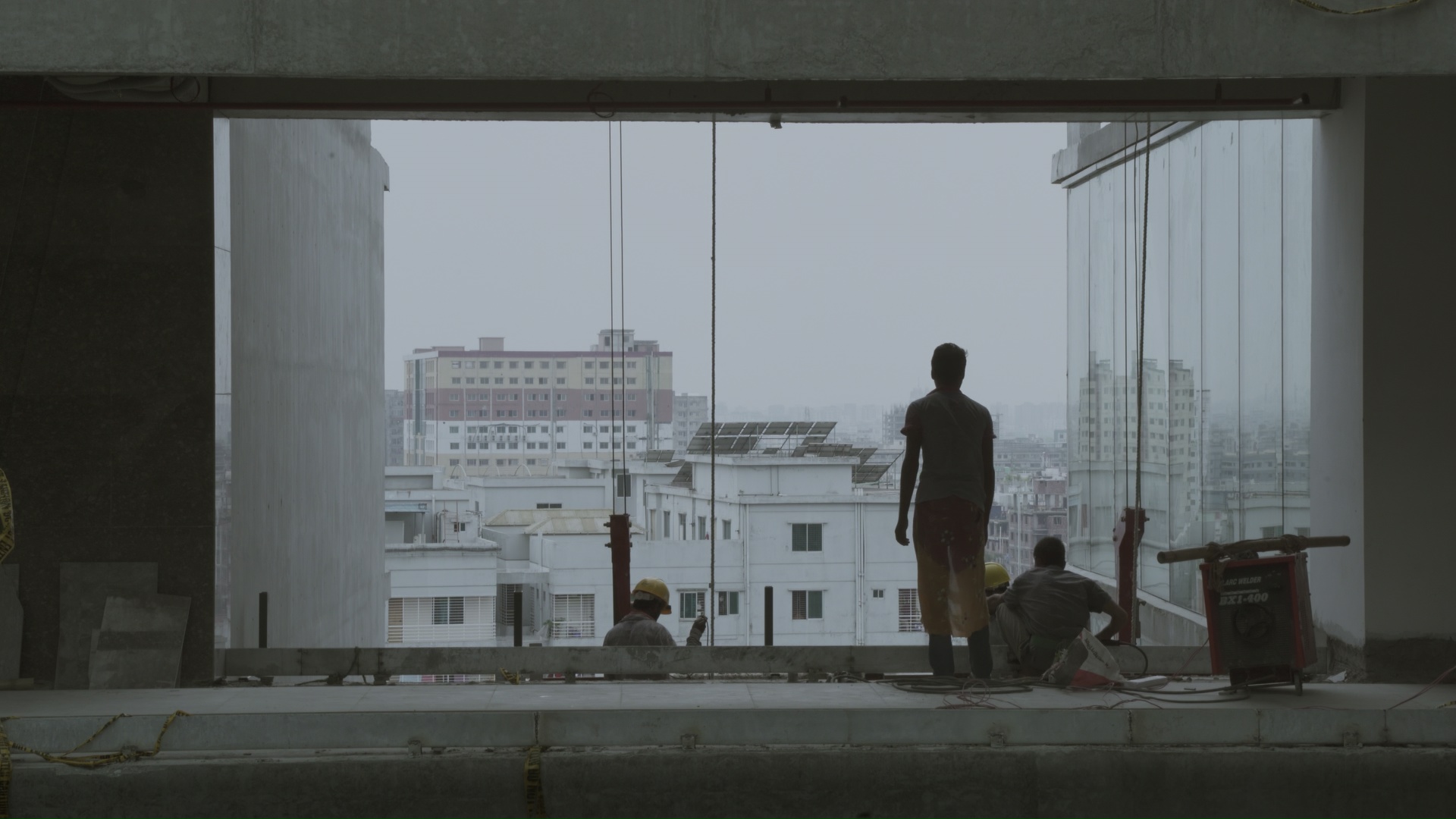
A city symphony on an unplanned city, Dhaka, from the point of view of an off-screen architect. Traveling from the loud city to the silence of the village, he meets people, incidents and landscapes. The film is a meditation on the nostalgia for the rural past and on finding home in the urbanized present.
Dhaka Chachophony
By Mreethmandir Gunjan Kumar Roy
2025
Duration: 1:34 min
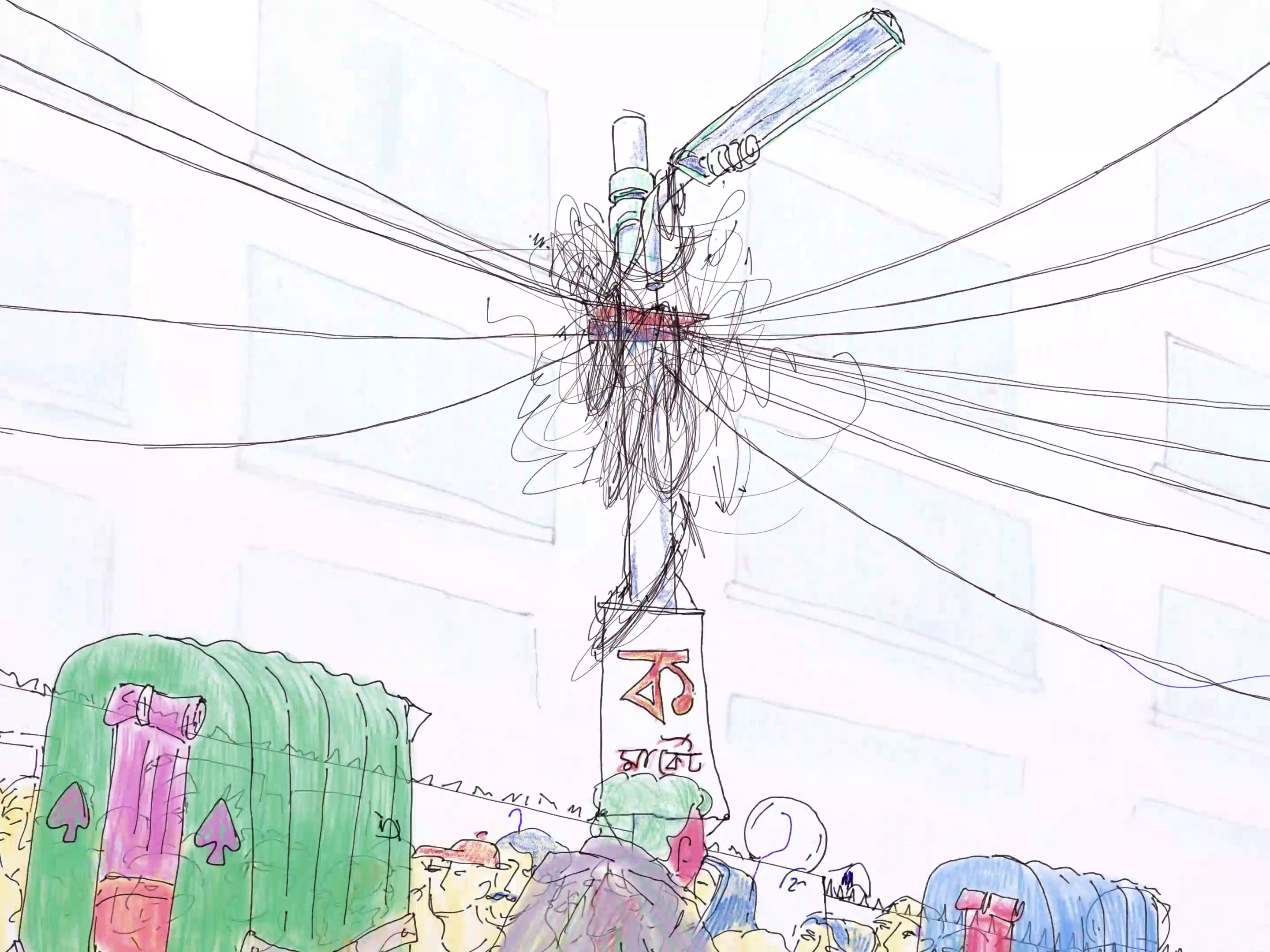
A sequence of animated drawings made from the memories of my sketchbooking practice in Dhaka. Where my drawings acted simultaneously as a method to document how Dhaka affects my mental health and also as an escape from it.
The Water That Weeps
By Kauser Haider
2025
Duration: 17:49 min
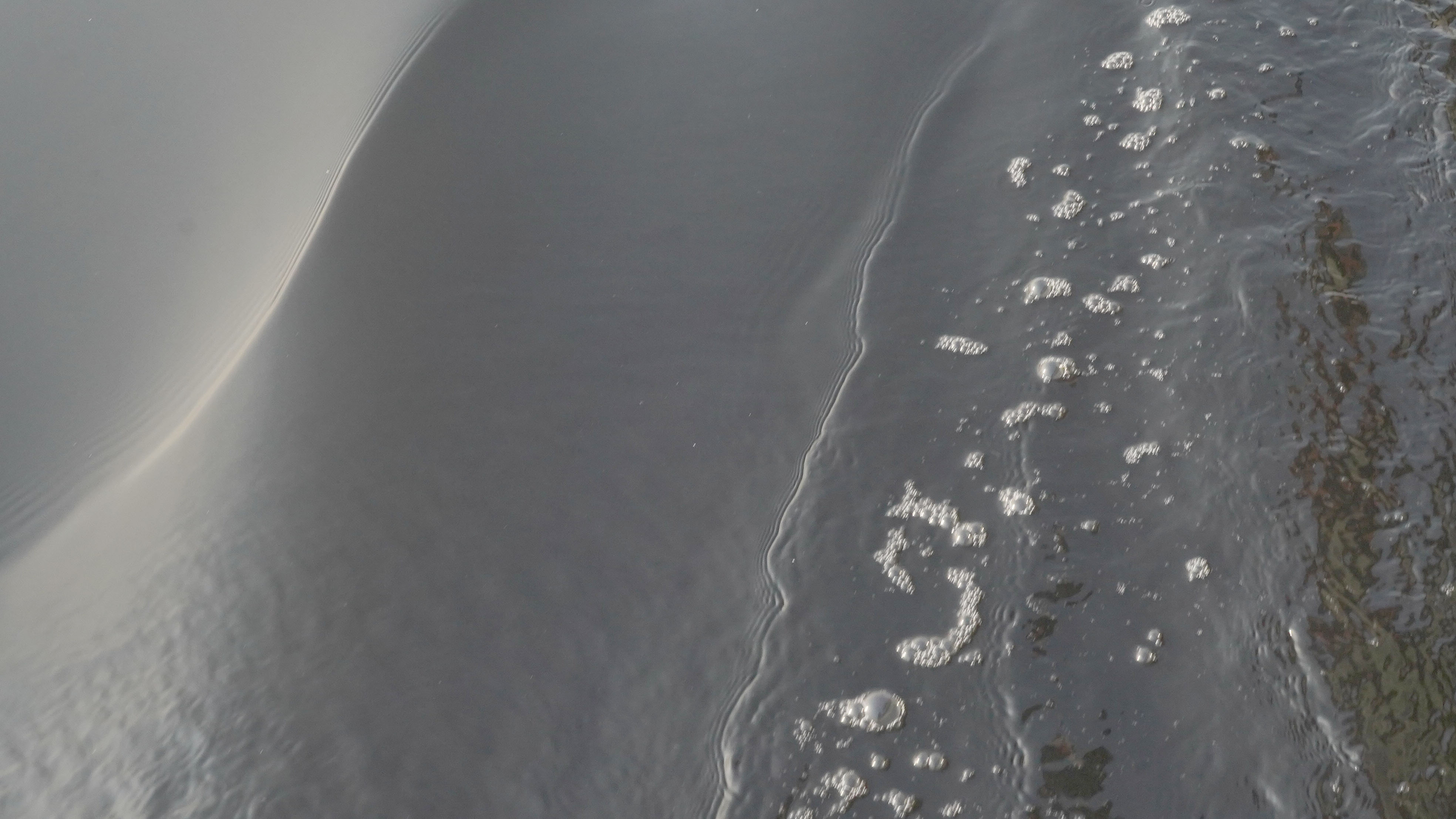
Long before the Bengal partition, a branch of the River Ganga cut through the nature of East Bengal and ended up in the Bay of Bengal. Mughal, British and Pakistani eras have passed since the founding of Dhaka over 400 years ago on the banks of the Buriganga River. Dhaka became one of the largest commercial cities of Bangladesh, centred on this river, as it is the country's capital. In the river Buriganga, the boatman sang songs while people on both sides shared their stories. As a part of the Durga Puja festival ( a celebration belonging to the Hindu community, also hugely celebrated by all communities as a festival), Durgadevi was sacrificed in the river as part of the ritual For, River Burigonga is a witness of festivals and local songs, and there was a cultural atmosphere before which is lost in many ways nowadays; pollution and industrialisation are the closest, it is a dead river.
Felim - Cinema for Identity
By Adit Dewan and Turin Tanchangya
2017
Duration: 21 min
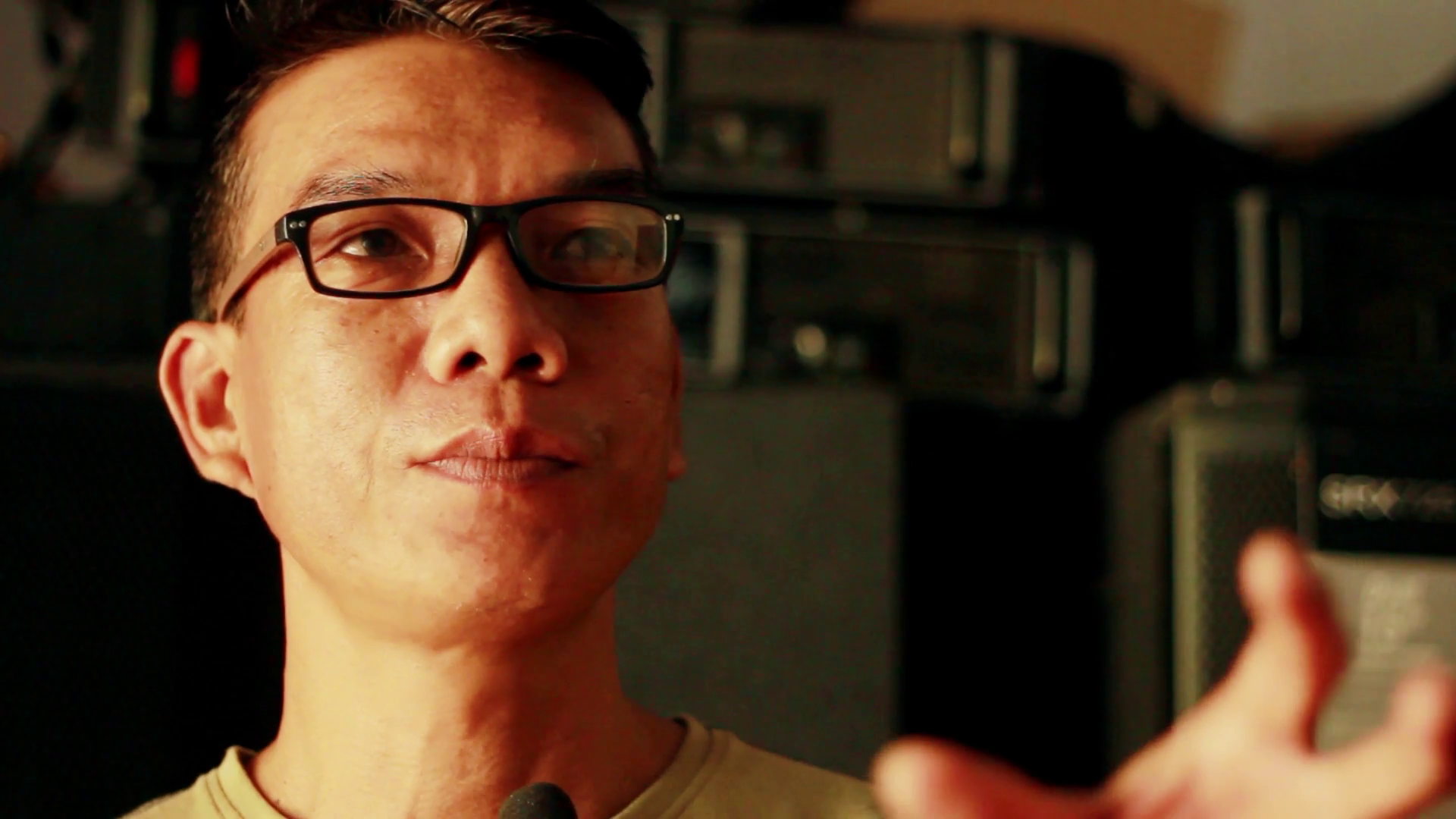
The documentary searches the history of the indigenous languages films in the Chittagong Hill Tracts, Bangladesh and explores how claiming of linguistic, cultural, and ethnic identity motivates their film production.